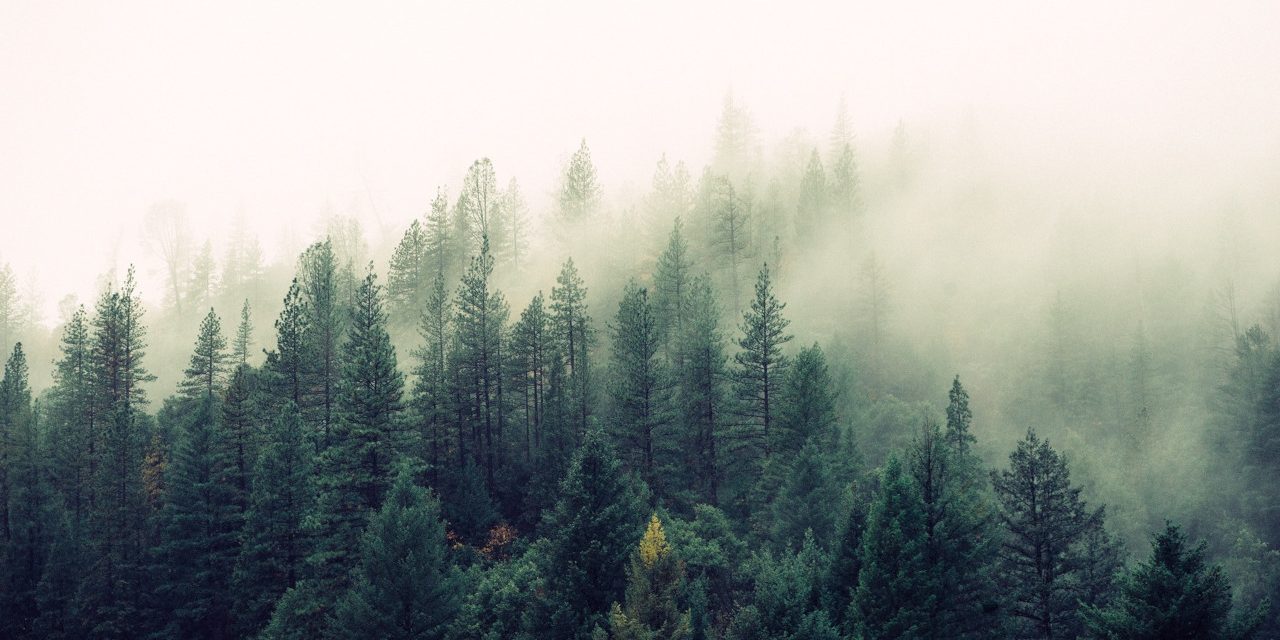
“Even in the deep forest, the wren only uses one branch for its nest.”1
One of the constants of our lives is that we are presented with an array of infinite possibilities. We spend time deciding how to fill our days — where to go, what to work on, and who to spend time with.
In modern times, we are also bombarded with different ways to spend our money, and myriad choices between products which promise to make our lives better, easier, or more glamorous.
Sometimes, our possibilities may seem limited, and sometimes they may actually be so. But only a portion of the world can ever be closed off to us.
Even a prisoner can’t be forced what to think or believe. If he has been wrongfully imprisoned, does he spend all his time stewing on injustice, or pining after things and the life which is closed off to him?
It does us little good to devote all our energy to things we can’t have. This doesn’t mean imagination and fantasy aren’t good for us, at times.
In the end, spending too much time striving toward what is cut off from us distracts us from our real possibilities. Rather than taking a step forward, we spin our wheels and do nothing but spray mud everywhere.
It may even keep us from seeing real and profound possibilities that are right in front of us.
If our prisoner spends all his time wallowing over the injustice of his situation, what does he miss? Our possibilities are always in front of us, but it takes a certain openness to see them sometimes.
Often, we see these possibilities and try to go after too much. Society tells us that certain possessions will make our life better, that we should want a nicer car and a bigger house; that advancement and notoriety are the hallmarks of a successful life.
When we pursue these things, if their pursuit is what drives us, what happens when we get there?
If all we have known is desire, that desire does not go away. It is not so easily sated. We may either desire more of what we have achieved, or maybe replace it with a different desire.
This leads to endless dissatisfaction, to a being that is never whole with itself.
Even less whole with itself, is the desire that is never sated.
What is the alternative?
Think about your world and about who you are. Think about who you love, and what you truly love doing.
Think about what you truly need to survive, and how you provide for yourself and your loved ones.
Think about your possibilities.
When you seek too much, when you anchor your being in a reality that isn’t your own, your world will always be in disorder, and you will always be far from truth.
Instead: find your branch, and make your nest.
1From Huang-fu Mi’s third-century work, the Kaoshihchuan (Records of High-Minded Men). Translation by Bill Porter (1993), Road to Heaven: Encounters with Chinese Hermits, Mercury House.
Photo by Jaymantri of Pexels